
 News
News Contact
 Support us
 Search
 Join Now
Strategic Planning
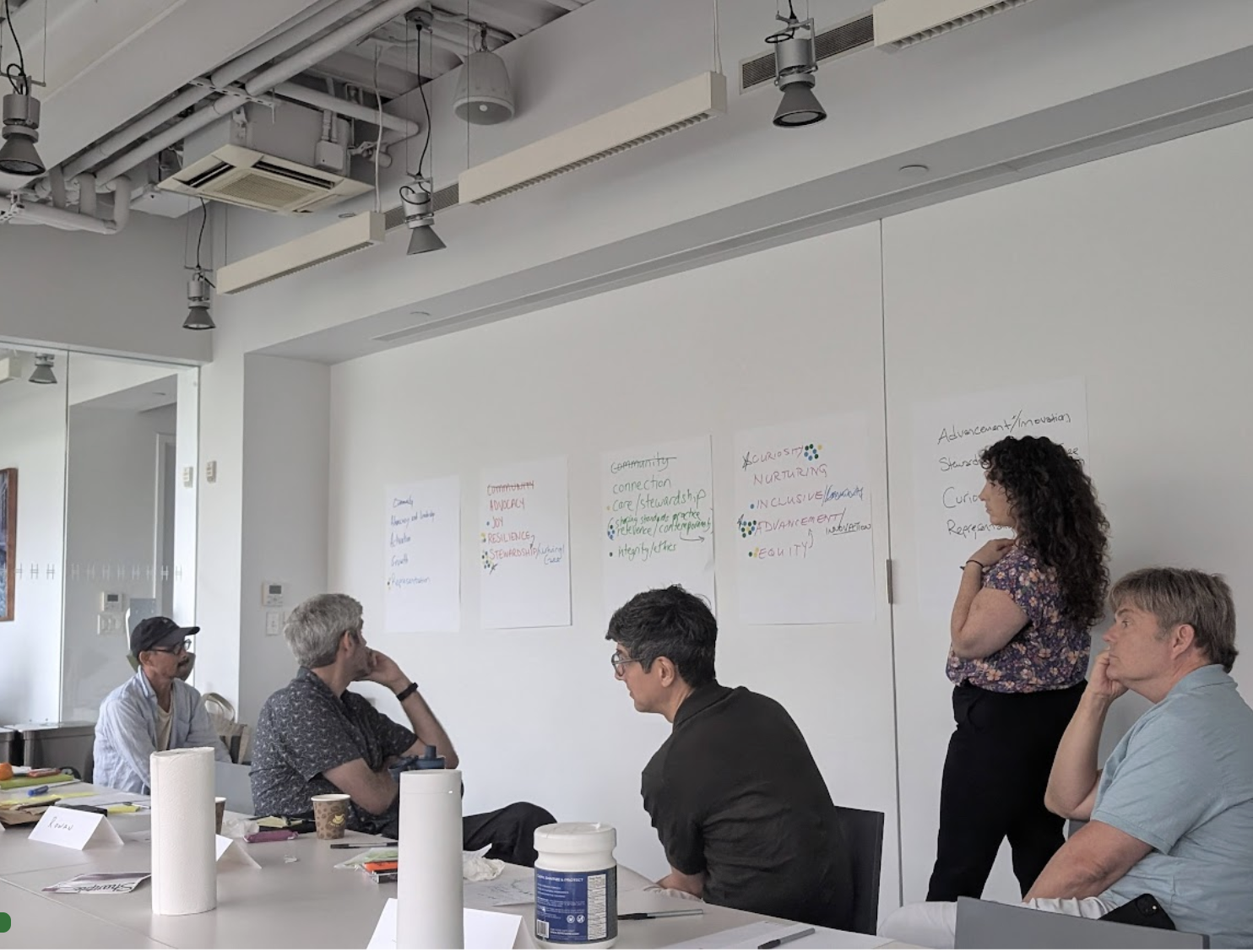
At the beginning of 2024, Metro Hort Group’s Board of Directors embarked on a strategic planning process. The volunteer, board-run organization set out to streamline and update operations as well as maximize the organization’s impact among their members and the larger tri-state region, to ensure a successful future
for Metro Hort Group.
Under the leadership of Board President, Stephanie Lucas, the Metro Hort Group Board of Directors hired a consultant to develop a comprehensive strategic plan that outlines short-term (~12 months) and long-term (~24 months) goals, aimed at enhancing its operational efficiency, financial stability, member engagement, and programming, to ensure a successful future for the organization. These goals align with the organization’s mission to provide opportunities for horticultural education, networking, and employment for the public and private sectors, with the goal of cultivating a more attractive, sustainable, and green environment.
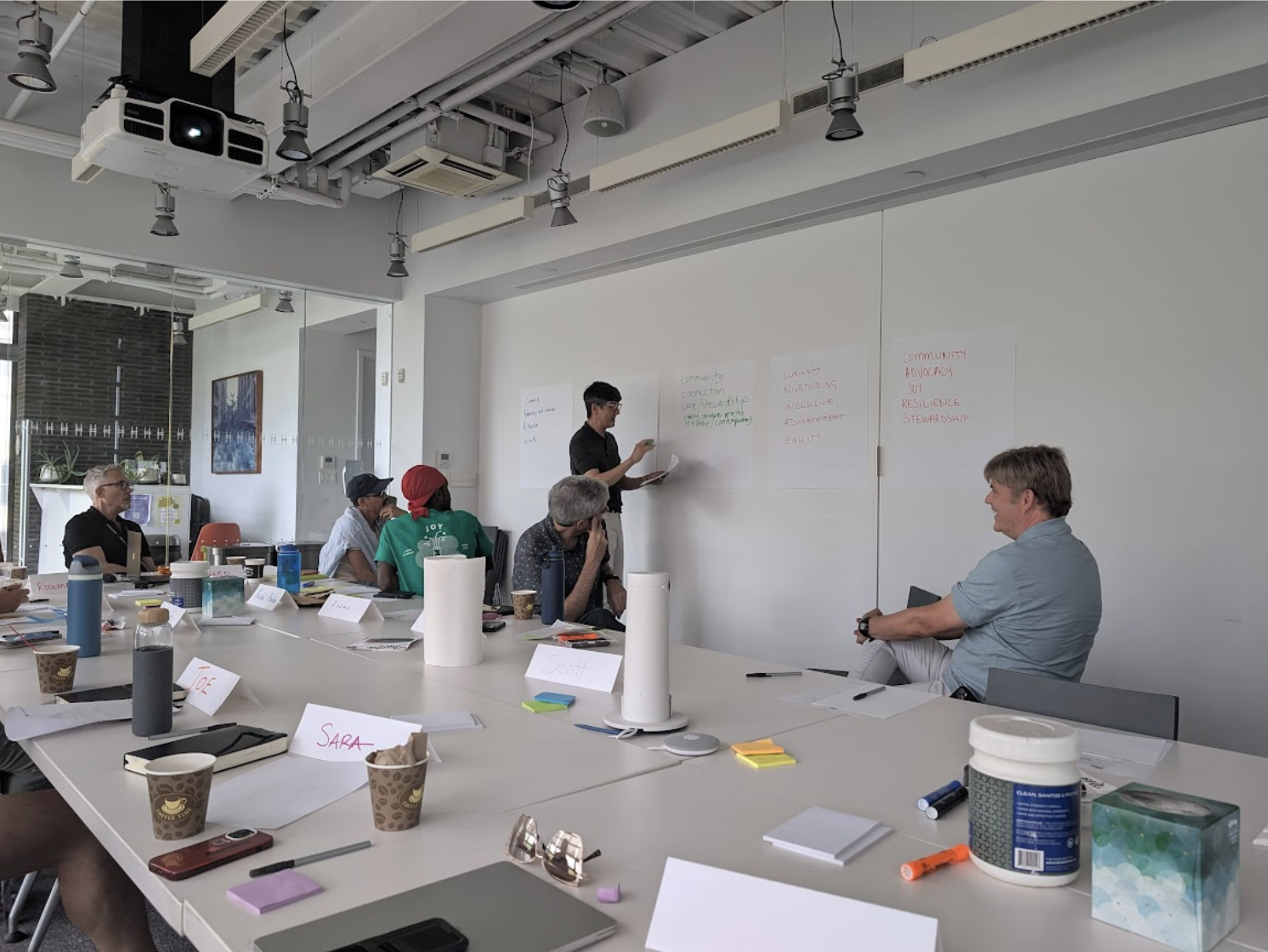
The plan development process included the collection of multiple data points through a Strengths, Weaknesses, Opportunities, and Threats (SWOT) Analysis. Participants included staff members, volunteers, board members, and other key stakeholders. Following initial data analysis, the Board of Directors participated in an in-person visioning/brainstorm session, to identify core strategic goals. A high-level summary of the goals is located on the following page.
Once goals were created, a dashboard was established for the Board and Board Committees to track progress on a quarterly basis. This helps ensure timeliness, adaptability, and organization-wide communication, as the Board seeks to implement significant changes in the coming months.
One key take away from the Board of Directors was the desire to reframe Metro Hort Group’s mission, vision, and value statements to better align with the future-forward leadership and goals of the organization. The rewriting will likely occur in 2025, so that they can be unveiled during the organization’s 40th anniversary in 2026. This strategic plan equips Metro Hort Group with a clear roadmap for both immediate improvements and long-term sustainability. By aligning its goals with its mission and values, the organization aims to foster inclusivity, enhance community engagement, and secure its position as a leader in the horticultural community.
Short term goals
1. Board/Staff/Administration: Strengthen governance and operational efficiency by:
- Implementing Standard Operating Procedures, updating by-laws, and setting board terms
- Identifying volunteer opportunities and aligning organizational resources
- Exploring the feasibility of funding an Executive Director
2. Finance: Develop a robust financial framework by:
- Creating an annual budget
- Setting expense and revenue goals for FY25 and identifying revenue gaps
- Exploring grants, partnerships, and updated fee structures
3. Communications & Marketing: Enhance brand consistency and outreach by:
- Conducting a brand audit and revising brand guidelines
- Strengthening digital engagement through website updates and social media strategies
- Implementing a comprehensive communication plan
4. Membership: Optimize member engagement and satisfaction by:
- Conducting research to align program offerings with member needs
- Revising fee structures and enhancing business membership benefits
- Establishing feedback loops for continuous improvement
5. Programming: Advance Plant-O-Rama by:
- Establishing strong leadership and governance for the event
- Securing optimal venues and diversifying event offerings
- Strengthening marketing strategies and implementing feedback mechanisms
6. Mission Alignment: Refine the organization’s guiding principles by:
- Updating the mission statement, core values, and vision statement through stakeholder workshops
- Ensuring alignment with goals and integrating these principles into operations
Long Term goals
1. Mission Alignment, Membership, Board/Staff: Foster diversity and inclusion by:
- Launching DEI awareness campaigns and forming a DEI advisory committee
- Implementing targeted outreach and onboarding strategies
- Regularly collecting and acting on feedback regarding inclusivity
2. Communications: Advocacy: Promote horticulture initiatives by:
- Partnering with local organizations and creating informative materials
- Hosting community events and recruiting ambassadors for horticulture advocacy
- Collaborating with local media to amplify visibility
3. Communications & Marketing: Maximize digital content value by:
- Developing a content strategy and optimizing for search engines
- Leveraging social media platforms and analytics to enhance engagement
- Recruiting volunteers to support content creation and management
4. Programming: Collaboration: Strengthen partnerships with city agencies by:
- Establishing consistent communication and shared objectives
- Collaborating on funding opportunities, events, and community projects
- Developing volunteer programs that benefit both parties
5. Finance: Ensure financial sustainability by:
- Diversifying revenue sources through memberships, sponsorships, and fundraising
- Expanding Plant-o-Rama with additional programming and promotion
- Strengthening financial management practices for transparency and growth

Media contact