
 News
News Contact
 Support us
 Search
 Join Now
Plant-O-Rama 2025 Recap: Record Attendance
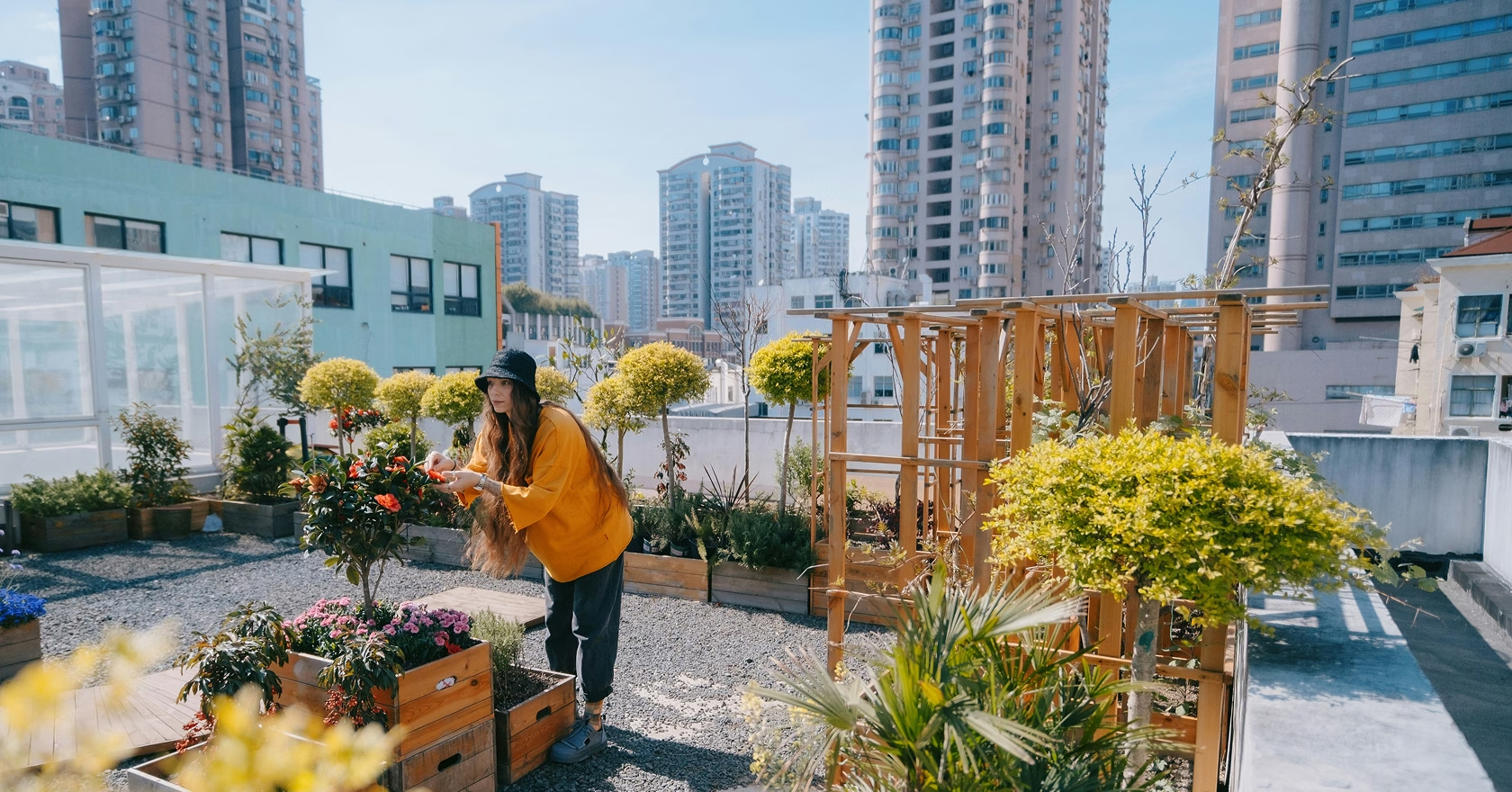
In 2025, gardening will continue to be a vital pursuit for relaxation, sustainability, and aesthetic enhancement. This year’s gardening trends are rooted in technology, sustainability and innovative design, reflecting society’s growing desire to harmonise nature and modern living. In this blog, we dig into the trends set to flourish in gardens all over the world.
Smart Gardening Tools and Apps
Technology will seamlessly merge with gardening in 2025. From smart irrigation systems that sync with weather forecasts to apps providing real-time plant care tips, gardeners are leveraging AI to enhance efficiency. Soil sensors, automated pruning tools, and drone-assisted pest control have become mainstream, making plant care smarter and more precise.
Climate-Resilient Gardening
With climate change posing challenges, gardeners are adapting by choosing plants that thrive in extreme conditions, including heat-tolerant perennials, drought-resistant succulents, and flood-resilient grasses. Microclimate gardening, like using hedges, walls, and shades to create protective environments, is gaining traction.
Space constraints in urban areas have encouraged a boom in vertical gardening and compact green spaces. Rooftop gardens, wall-mounted planters, and urban mini-forests are revolutionising the concept of green spaces in cities. Edible landscaping, such as blending ornamental and food-producing plants, is particularly popular in urban environments.
Regenerative Practices & Soil Health
- Composting, cover cropping, and no-dig methods help maintain natural soil fertility.
- Biochar and organic fertilizers enrich the soil while reducing carbon footprints.
- Regenerative practices support long-term sustainability and healthier soil ecosystems.
Regenerative gardening practices are making waves, focusing on enhancing soil health and sustainability. Composting, cover cropping, and no-dig gardening methods are helping maintain soil fertility. The use of biochar and organic fertilisers is reducing carbon footprints whilst enriching the soil.
Gardeners are prioritising biodiversity by creating wildlife-friendly habitats, including pollinator pathways, natural ponds, and native plantings that cater to bees, butterflies, and birds. The focus is shifting from manicured lawns to more natural meadows and wildflower patches that boost the ecosystem’s health.
Wellness Gardens
- Gardening is increasingly recognised as a therapeutic, wellness-focused activity.
- Sensory pathways, aromatherapy plants, and mindfulness corners enhance relaxation.
- Water features, fragrant herbs, and soft-textured plants create calming, meditative spaces.
Eco-Friendly Hardscaping
Sustainability is now at the forefront of garden design materials, with permeable pavements, recycled wood, and repurposed stone trending. These elements allow the reduction of water runoff and carbon footprints while maintaining aesthetically pleasing landscapes and outdoor spaces.
AI-powered tools analyse factors such as light, soil type, and climate to make choosing the right plant for the right spot easier. These tools ensure a thriving garden with minimal trial and error, making them indispensable for beginners and experts alike.
“A wellness garden is not just a space with plants — it’s a place where the mind slows down, the senses awaken, and the soul finds room to breathe.”
Whether you’re a seasoned gardener or just looking to make the most of your outside space, there’s a garden trend for everyone, inviting us to innovate, prioritise sustainability, and reconnect with the therapeutic joys of nature.
Urban Landscape Design can help plan and deliver your project to a high standard, incorporating all the elements that create a long-lasting, well thought out and constructed outdoor space, to allow you and the wildlife around you to thrive.
If you’re ready to transfer your garden this year, contact us today! Give us a call at 01829 740194 or complete our easy online enquiry form, and our friendly team will be delighted to assist you.

Media contact